

In our daily routines, we naturally divide our time between two primary environments: home (the first place) and work. Work is the second place, driven by productivity and professional obligations. But what about the areas where we simply exist alongside others? Known as the third place, this essential social environment is critical for maintaining a healthy, connected society.
Understanding the Third Place Concept
The term was coined by sociologist Ray Oldenburg in his influential book The Great Good Place. Ray Oldenburg defines a third place as a neutral, accessible public space where people gather for social interaction, share ideas, and expand their social networks without the pressures of home life or workplace hierarchies. A cafe, community centers, anywhere you can socialize without pressure to spend money or move on is a good example of a third space.
Historically, a third place took the form of a local coffee shop, a public library, a neighborhood bookstore, or a community gym. These public places serve as equalizers. Today, finding a welcoming third place where you are not expected to be productive is increasingly difficult, making intentional community building more important than ever.
Why We Need a Shared Social Environment
Combating Isolation in a Post-Pandemic World
As remote work becomes more prevalent since the pandemic, the boundary between the first place and second place has blurred. This shift often eliminates casual, daily social interaction. A dedicated third place provides a reliable, low-pressure venue to build community. Whether you frequent a library or a coffee shop, having a third place to socialize makes it significantly easier to forge genuine adult friendships and enhance your overall wellbeing.
Cultivating Creativity and Adult Play
Adults require an outlet for play and creative expression just as much as children do. When we step into a supportive third place, we drop our professional titles. We become free to explore new ideas, join a book club, engage in spontaneous collaboration, and relieve the accumulated stress of our first and second place responsibilities. Good places encourage us to just be.
Strengthening Local Culture and Sense of Community
A thriving local culture relies on a third place where residents can organically mix. These public spaces break down social barriers and foster a strong sense of community. Every great good place serves as a vital hub for connection, ensuring that a neighborhood remains vibrant.
Reclaiming Your Time Outside of the Routine
Actively participating in a third place requires a conscious decision to disconnect from screens and daily chores. It is about committing time to simply be present within a shared social environment. Whether it is a library, a coffee shop, a gym, or a community theater, dedicating time to your chosen third place profoundly impacts your wellbeing.
The Evolution of Gathering Places in American Culture
Historically, informal public gathering places were deeply ingrained as a core part of American culture. The American sociologist who coined the term understood that these hangouts at the heart of our neighborhoods were essential for maintaining human connection. Before the digital age, a vibrant social infrastructure existed outside of the two usual environments of home and work. People consistently relied on local commercial establishments to meet new people and foster community and civic life.
However, the modern built environment has fundamentally changed. With ongoing shifts in urban planning and the rapid decline of the traditional indoor mall, locating a reliable hangout spot within walking distance is increasingly challenging. The isolation brought on by covid and the broader covid-19 pandemic further disrupted the ways people engage with their neighborhoods. Even as society normalizes, many individuals still struggle to leave the house to organically connect with others. While online communities offer a new social avenue, they cannot replace the physical social contact required for our long-term health and well-being.
Recognizing the Characteristics of Third Places
What makes a specific environment effective? The defining characteristics of third places center entirely on accessibility, neutrality, and a welcoming, low-stakes atmosphere. These communal spaces facilitate social interaction across varying demographics, effortlessly bringing together people from all walks of life. As highlighted in urban studies by Jeffres et al, regular access to these environments is highly tied to overall neighborhood satisfaction and civic engagement.
When you picture the ideal “third place, popular media often points to the fictional coffee house Central Perk. In reality, modern examples include cafes, libraries and parks, or local leisure facilities. A great kind of third place might even emerge in coworking hubs, hair salons, or beauty salons—any setting that encourages lingering without expectation. The key distinction is that it exists completely outside of home and the rigid, productive structures of a second space. Whether taking the form of venues like coffee shops or dedicated community spaces, third places allow every passing acquaintance or newcomer to feel a sense of immediate belonging.
Why You Need a Third Place
If you spend the entirety of your week at work or home, you are missing out on vital psychological downtime. You need a third place to step away from the constant demands of home or work. It is especially important to have somewhere you feel you are a part of something larger than your immediate household or career.
The true impact of third places is most visible in how they actively cultivate friends and community. If you do not currently have a dedicated spot, finding one can feel daunting. The process begins by identifying a type of social environment that naturally aligns with your interests. To successfully find a third option outside of the home, look for environments featuring a friendly, engaging third place staff that actively encourages conversation. Establishing this routine is the most effective way to guarantee a richer, more connected life.
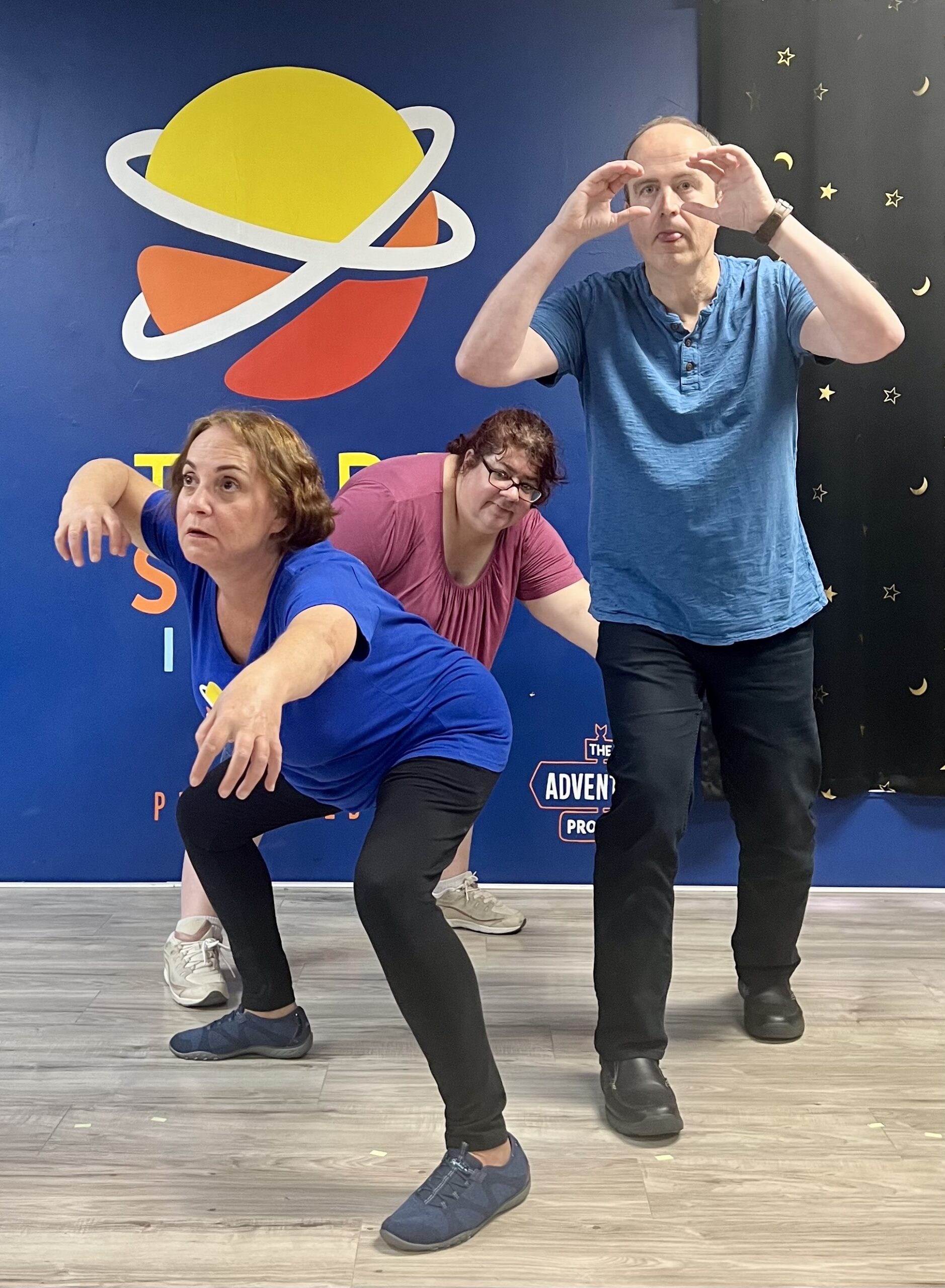
Are you looking for a welcoming third place to disconnect, laugh, and experience a true sense of community? Join us at Third Space Improv to discover your new favorite third place and experience the transformative power of a true community hub.