
Wellness is everywhere right now. It’s in carefully arranged morning routines, matching workout sets, elaborate skincare regimens, green powders, meditation apps, and videos promising to tell us exactly how to become calmer, clearer, healthier, and more put together.
There is nothing wrong with taking care of your skin, moving your body, eating food that makes you feel good, or finding routines that help you manage anxiety. The problem comes when wellness begins to feel like another standard we are supposed to meet, or another polished version of ourselves we are expected to perform.
Improv offers a very different kind of wellness.
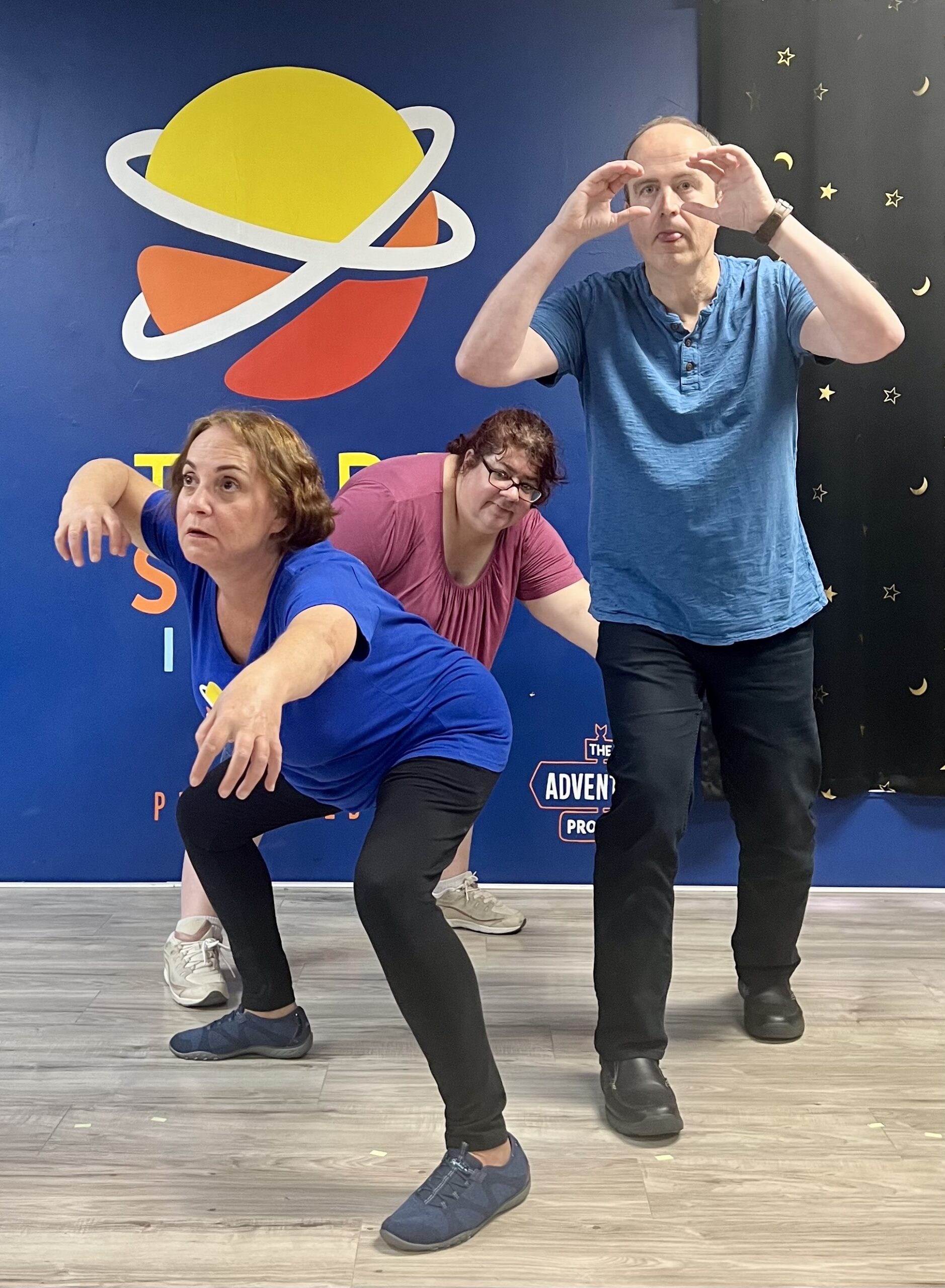
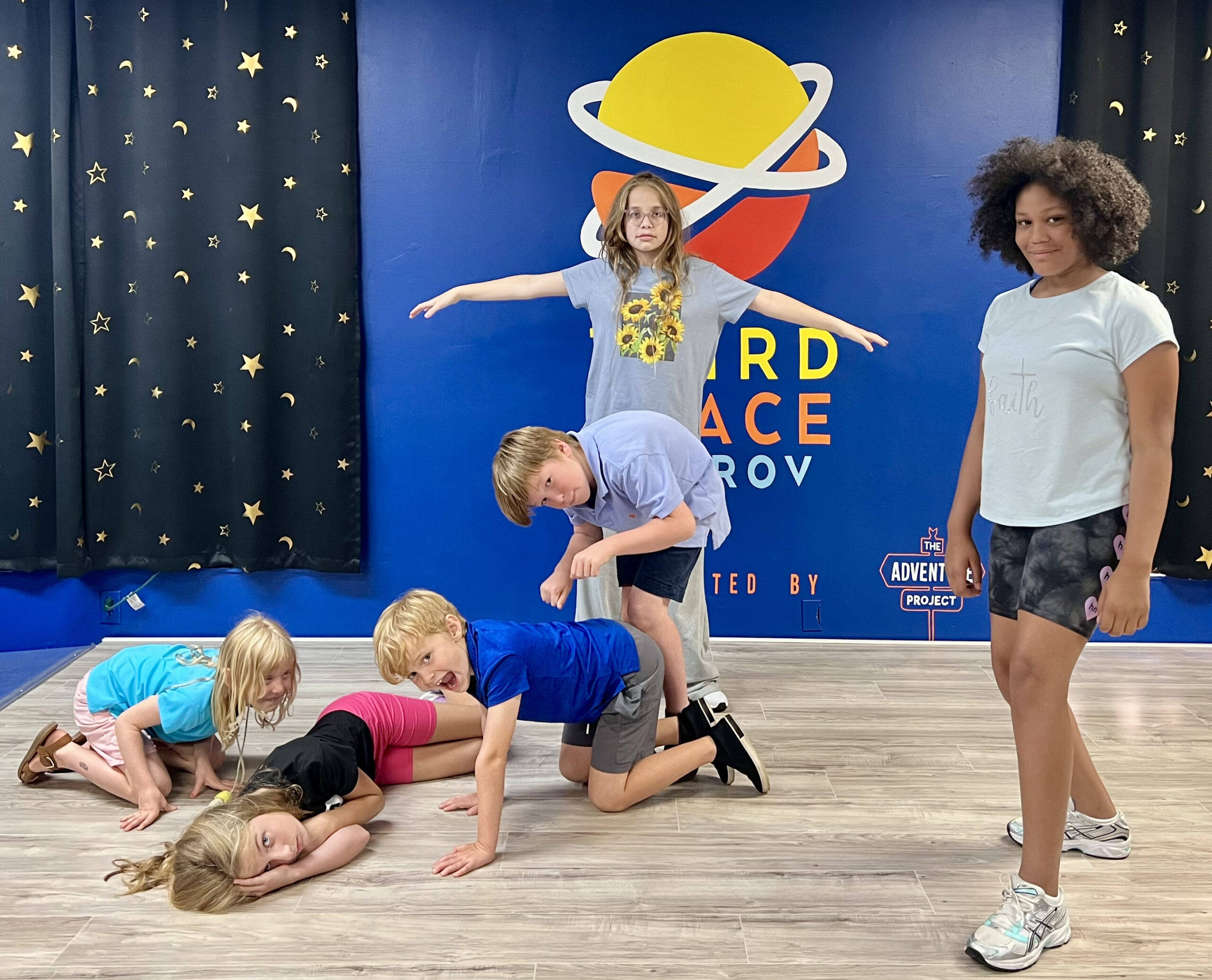
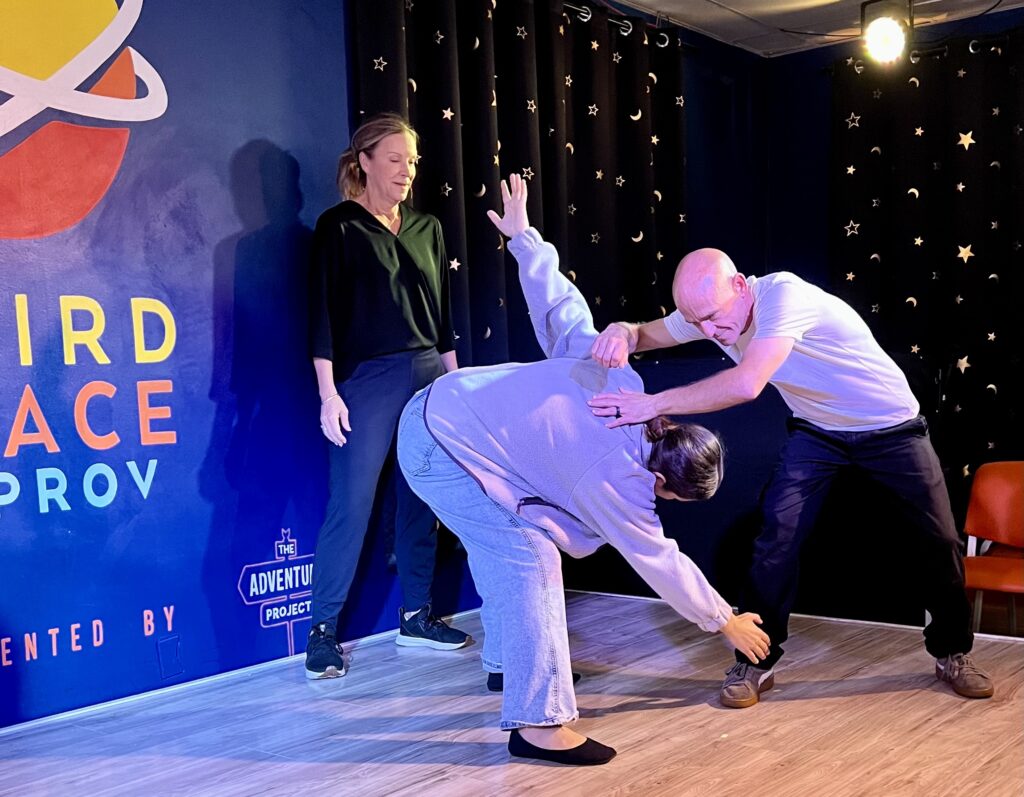
You might arrive flustered from work, forget someone’s name, make a strange noise, play a talking refrigerator, laugh so hard that your face turns red, and completely lose track of what you are saying. None of this means you are doing it wrong.
In improv, you don’t have to arrive as your best self. You get to arrive as your whole self.
Wellness Does Not Have to Look Polished
A lot of modern wellness culture is built around improvement. Clearer skin. Better sleep. Greater productivity. Less anxiety. More discipline. Even rest can become something we feel pressured to perfect.
Improv does not ask you to optimize yourself. It asks you to notice what is happening, listen to the people around you, and respond honestly.
Psychologist Michael Alcee describes improv as a practice that can help people live with difficult thoughts and feelings rather than constantly fighting against them. He also points to research connecting improv with lower social anxiety and stronger feelings of trust, empathy, belonging, and community support.
That is a valuable shift. Wellness does not always mean making an uncomfortable feeling disappear. Sometimes it means discovering that the feeling can be present without making every decision for you.
Practicing Life Without a Script
Much of anxiety comes from wanting to know what will happen next. We rehearse conversations, imagine everything that could go wrong, and try to prepare the perfect response before anyone has even asked us a question.
Improv removes that option.
There is no script to memorize and no perfect answer waiting to be uncovered. You listen, accept what has been offered, and take the next small step. Then your scene partner does the same.
A 2020 study published in Thinking Skills and Creativity found that participating in improv supported greater tolerance of uncertainty, more flexible and creative thinking, and improved emotional well-being. The researchers also found that these benefits went beyond those created by ordinary social interaction, suggesting that the combination of collaboration, creativity, and unpredictability matters.
In less scientific terms, improv gives us a place to practice not knowing what comes next without assuming that something terrible is about to happen.
Being Seen Without Being Curated
We spend a great deal of time managing how other people see us. We choose flattering photos, rewrite messages, edit captions, prepare talking points, and present different versions of ourselves depending on the room.
Improv interrupts that careful editing process. There is not enough time to construct the most polished response, so something more instinctive often appears instead.
In a supportive class, the group is not waiting for you to fail. Everyone is building something together. Your unusual idea becomes someone else’s inspiration. Your mistake becomes part of the scene. Your hesitation is met with patience rather than judgment.
You begin to realize that being accepted does not require being perfectly composed.
Wellness Can Be Social
Self-care is often presented as something we do alone. We take a bath, go for a walk, complete a journal prompt, turn off our phones, or spend an evening recovering from the demands of other people.
Solitude can be restorative, but wellness also happens through connection. We need spaces where we can laugh, play, collaborate, and spend time with people without feeling as though we are networking, performing productivity, or trying to impress anyone.
Improv is built around that kind of connection. It requires attention, generosity, trust, and a willingness to support another person’s idea. Psychology Today notes that this collaborative structure can strengthen feelings of community, empathy, and belonging, all while helping participants become more flexible in the face of stress and uncertainty.
Sometimes taking care of yourself means turning inward. Sometimes it means finding a room where you can be silly with other people for an hour.
Come Exactly as You Are
Improv is not a cure for anxiety, a replacement for therapy, or a shortcut to perfect mental health. It is something much more ordinary and accessible: a regular opportunity to play, connect, take small risks, and experience yourself outside the pressure to be polished.
You do not need the right clothes, the right body, the right personality, or the right kind of brain. You do not need to feel confident before you begin. You do not even need to think of yourself as funny.
At Third Space Improv, we believe well-being can look like laughing until you forget what you were worried about, discovering that a mistake is survivable, supporting a new friend’s wonderfully strange idea, and giving yourself permission to take up space without first becoming a more presentable version of yourself.
Leave the aesthetic at home. Bring your awkwardness, your curiosity, your nervous energy, your loud laugh, your quiet observations, and whichever version of you showed up today.
Our improv classes offer a welcoming place to play, connect, and practice meeting the unexpected with your whole self. Come join us. We hope to see you in Level 1 Improv!